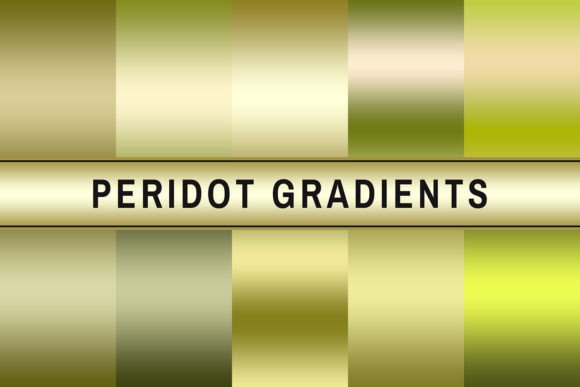
Peridot Gradients: Elevate Your Design Projects with Vibrant and Modern Color Transitions
What Are Peridot Gradients?
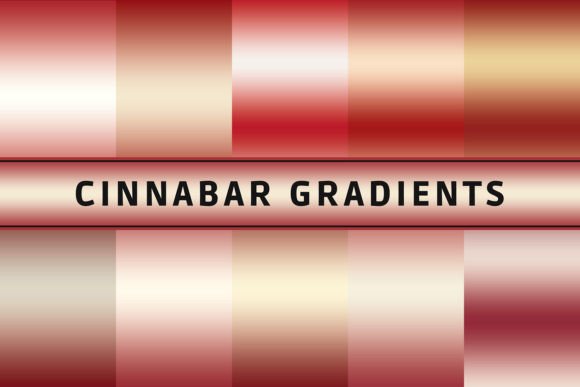
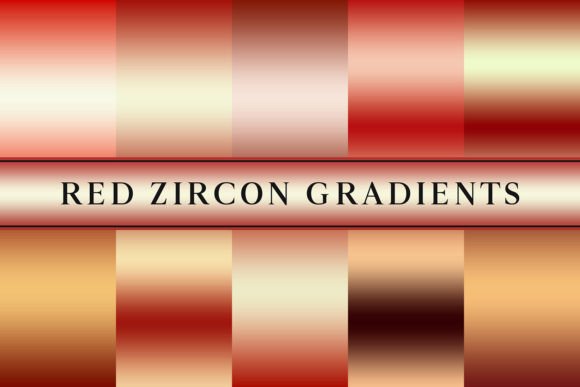
Peridot Gradients are a collection of color transitions designed to add visual interest and sophistication to a wide range of creative projects. These gradients feature the vibrant green tones of peridot, a gemstone known for its bright, luminous hue. Whether you're working on digital artwork, print designs, or social media content, Peridot Gradients offer a versatile and modern solution that can enhance your work instantly.
These gradients are available in GRD format, making them compatible with Adobe Photoshop CC or higher. This compatibility ensures that designers can easily integrate these gradients into their workflow without any technical barriers. The premium quality of the gradients means they are optimized for clarity and detail, whether used as backgrounds, overlays, or textures.
Why Choose Peridot Gradients for Your Projects?
There are several reasons why Peridot Gradients stand out among other gradient collections. First, the use of peridot colors brings a fresh and contemporary feel to any design. The soft yet bold greens can complement a variety of palettes, from neutral tones to more vivid colors. This makes them suitable for both minimalist and bold design styles.
Second, the versatility of Peridot Gradients is unmatched. They can be applied across multiple mediums and industries. From business cards and branding materials to websites and social media posts, these gradients can be adapted to fit different needs and purposes. Their adaptability makes them a valuable asset for any designer's toolkit.
Additionally, the trendy and modern design of Peridot Gradients ensures that your projects remain up-to-date with current design trends. As aesthetics evolve, having access to high-quality, stylish gradients helps maintain a professional and visually appealing look across all your creative outputs.
Applications of Peridot Gradients in Different Design Areas
Peridot Gradients are not limited to one type of project. Their applications span across numerous design areas, offering endless possibilities for creativity and innovation. Let's explore some of the most common uses:
- Graphics and Canva Backgrounds: Use Peridot Gradients as background elements in Canva or other graphic design tools. They provide a dynamic base that can make text and images stand out more effectively.
- Text Overlays: Overlay text on top of Peridot Gradients to create striking visual compositions. The contrast between the text and the gradient enhances readability and adds depth to your design.
- Business Cards and Branding: Incorporate Peridot Gradients into logos, brand identities, and business cards. The unique color palette helps establish a memorable and professional image.
- Websites and Social Media: Apply these gradients to website headers, banners, or social media posts. They contribute to a cohesive and aesthetically pleasing online presence.
- Banners and Posters: Use Peridot Gradients as background elements in banners and posters to draw attention and create an eye-catching visual impact.
- Digital Scrapbooking and Photography Albums: These gradients can serve as elegant backgrounds for digital scrapbooking layouts or photography albums, adding a touch of elegance and style.
How Peridot Gradients Fit Into Modern Workflows
In today's fast-paced design world, efficiency and quality go hand in hand. Peridot Gradients are crafted with this principle in mind. Their compatibility with Adobe Photoshop ensures seamless integration into existing workflows, allowing designers to focus on creativity rather than technical hurdles.
Moreover, the premium quality of these gradients means that they are built to last. Whether you're creating a one-time design or building a long-term brand identity, Peridot Gradients provide consistent results that meet high standards. Their modern aesthetic also aligns with current design trends, ensuring that your projects remain relevant and visually appealing over time.
For those who work with digital tools like Canva, Peridot Gradients offer an easy way to elevate basic templates into something more sophisticated. With just a few clicks, you can transform a simple layout into a professional-looking design that stands out from the crowd.
Practical Benefits and Considerations
When considering the use of Peridot Gradients, it's important to understand both their benefits and potential limitations. One of the key advantages is the ease of use. Since they come in a standard GRD format, importing them into design software is straightforward. This makes them accessible to both novice and experienced designers alike.
Another benefit is the ability to customize. While Peridot Gradients are pre-designed, they can be adjusted to suit specific project needs. You can modify the opacity, blend modes, or layer styles to achieve the desired effect. This flexibility allows for greater control over the final outcome of your design.
However, it's worth noting that the effectiveness of Peridot Gradients depends on how they are used. For instance, using them on dark-colored backgrounds may reduce their visual impact. It's essential to test different combinations and settings to find the best match for your project.
Additionally, while these gradients are highly versatile, they may not be suitable for every design scenario. If you're working on a very minimalistic design, the complexity of the gradient could overpower the simplicity of the layout. In such cases, it's advisable to use the gradient sparingly or combine it with other design elements to maintain balance.
Getting Started with Peridot Gradients
If you're ready to incorporate Peridot Gradients into your design projects, the first step is to download the GRD file and import it into your preferred design software. Once imported, you can begin experimenting with different placements, layer effects, and blending modes to see what works best for your specific needs.
To maximize the potential of these gradients, consider pairing them with complementary colors or textures. This can help create a more layered and dimensional look, especially in complex designs like posters or digital scrapbooking layouts.
It's also a good idea to keep a library of favorite gradients for future reference. This way, you can quickly access and apply them to new projects without having to search for them each time. Organizing your resources can save time and streamline your workflow significantly.
Lastly, don't be afraid to experiment. Peridot Gradients are a powerful tool, but their full potential can only be realized through trial and error. Try different applications, settings, and combinations to discover new ways to use them in your creative process.