Monochrome Textures and Vintage Textures: Enhancing Creativity in Digital Art and Design
Understanding the Appeal of Monochrome Textures
Monochrome textures have become a staple for artists, photographers, and designers looking to add depth and character to their digital creations. These textures are not just visual elements but tools that can transform ordinary images into something more evocative and meaningful. Whether you're working on a photography project, a digital scrapbooking layout, or a creative art piece, incorporating monochrome textures can elevate your work to new heights.
The beauty of monochrome textures lies in their simplicity and versatility. Unlike colorful textures that can overwhelm an image, monochrome textures provide a subtle enhancement that allows the original content to remain the focal point. This makes them ideal for adding a vintage feel without detracting from the integrity of the subject matter.
What Makes Monochrome Textures Unique?
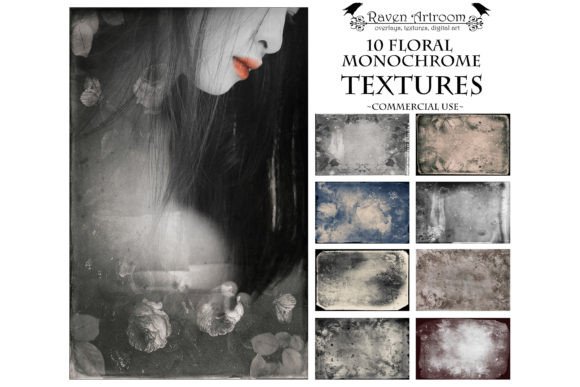
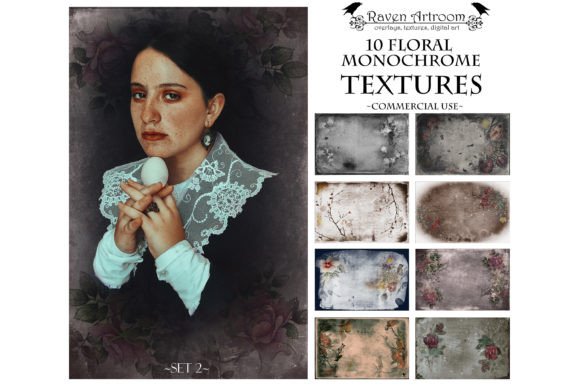
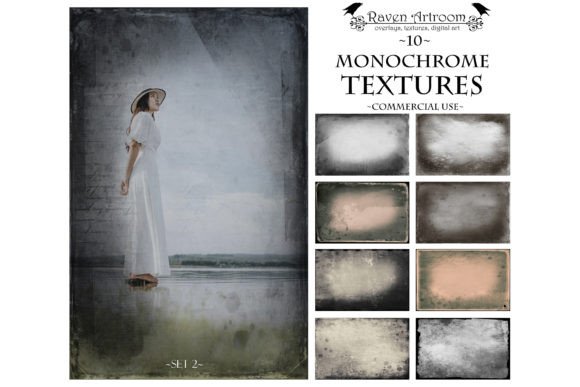
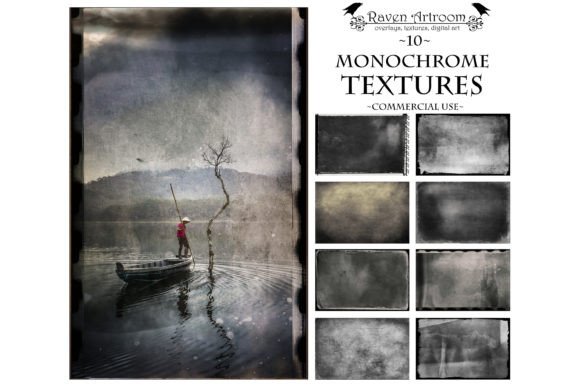
Monochrome textures typically consist of shades of black, white, and gray. Their lack of color allows for greater flexibility when blending with other elements. These textures can be used as overlays in Photoshop, as backgrounds in digital scrapbooking, or even as part of mixed media projects. The subtlety of these textures means they can be adjusted using various blend modes to achieve different effects, such as a moody, distressed look that mimics aged photographs.
Each texture is usually around 300dpi, ensuring high resolution and clarity when printed or used digitally. Most files measure approximately 4000×6000 pixels, making them suitable for large-scale prints or detailed digital compositions. With file sizes ranging between 10 and 14 MB, these textures strike a balance between quality and practicality, allowing creators to work efficiently without compromising on detail.
Exploring Vintage Textures and Their Role in Creative Projects
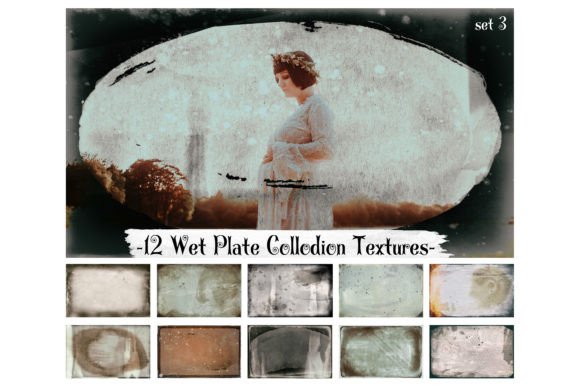
Vintage textures offer a nostalgic touch that can transport viewers back in time. These textures often include elements like weathered paper, faded ink, and old photographs, which evoke a sense of history and authenticity. When combined with monochrome textures, they create a powerful synergy that enhances the overall aesthetic of any project.
For instance, using a vintage texture as a background for a digital scrapbooking layout can instantly give it an aged appearance, making it more appealing to those who appreciate retro aesthetics. Similarly, applying a vintage texture to a photograph can add a layer of storytelling, suggesting that the image has been preserved through the years.
Applications Across Various Creative Fields
Vintage textures find their way into numerous creative fields. In photography, they can be used to enhance portraits or landscapes, giving them a timeless quality. For digital scrapbooking, these textures serve as the perfect backdrop for memories, allowing personal stories to shine through a historical lens. In the realm of graphic design, vintage textures can be employed to create eye-catching posters, flyers, and business cards that stand out from the crowd.
Moreover, these textures are not limited to traditional mediums. They can also be integrated into digital art, video editing, and even Procreate projects. Artists can use vintage textures to create unique collages or mixed media pieces that blend different eras and styles, resulting in a visually rich experience.
Implementing Monochrome and Vintage Textures in Your Workflow
Incorporating monochrome and vintage textures into your workflow requires a few key considerations. First, it's essential to understand how to manipulate these textures effectively. Using blend modes such as multiply, overlay, or soft light can dramatically alter the appearance of an image, allowing you to achieve the desired effect without overpowering the original content.
Begin by selecting a texture that complements your project. If you're working on a photography piece, choose a texture that adds a subtle grain or a slight haze to enhance the mood. For digital scrapbooking, opt for a texture that mimics aged paper or a vintage photograph to create a cohesive theme.
Tips for Using Textures Effectively
- Layering: Experiment with layering multiple textures to create complex effects. Start with a base texture and build upon it with additional layers for added depth.
- Opacity Adjustments: Adjust the opacity of your textures to ensure they don't overshadow your main content. A lower opacity can provide a gentle enhancement while preserving the original image's clarity.
- Color Matching: While monochrome textures are inherently neutral, consider matching them with the color palette of your project for a more harmonious result.
- Testing: Always test your textures on different surfaces and lighting conditions to see how they appear in various contexts. This will help you make informed decisions about which textures to use where.
Remember that the goal is to enhance, not to obscure. By carefully selecting and applying textures, you can create stunning visuals that resonate with your audience while maintaining the integrity of your original content.
Considerations for Using Monochrome and Vintage Textures
While monochrome and vintage textures offer a wealth of creative possibilities, there are several considerations to keep in mind. One important aspect is the licensing of these textures. As mentioned earlier, the files cannot be shared for free or sold as is. It's crucial to respect the rights of the creators and use these textures within the boundaries of their intended purpose.
Additionally, colors may vary depending on your monitor, printer, paper, or software. While efforts are made to provide an accurate representation, it's always wise to print a sample before committing to a large project. This ensures that the final product meets your expectations and maintains the desired aesthetic.
Conclusion
Monochrome and vintage textures are invaluable assets for anyone involved in digital art, photography, or design. Their ability to enhance visuals while preserving the essence of the original content makes them a must-have for creators across various disciplines. By understanding how to effectively incorporate these textures into your workflow, you can unlock new levels of creativity and produce compelling works that capture the imagination of your audience.