Volcanic Rock Textures for Creative Projects
Adding Volcanic Rock Textures to your digital artwork can transform ordinary designs into visually compelling pieces that feel grounded in nature. These textures, with their rugged and organic patterns, offer a unique way to introduce depth, authenticity, and character to any creative project. Whether you're designing a website background, crafting social media content, or enhancing a photography album, these high-resolution textures are an invaluable tool for creators looking to elevate their work.
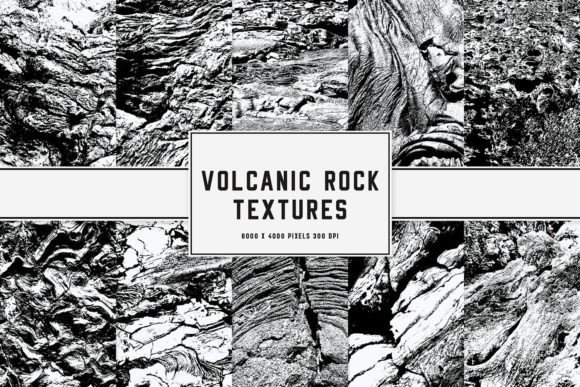
Volcanic Rock Textures are designed to be versatile and adaptable, making them ideal for a wide range of applications. Available in both JPG and PNG formats at 6000 x 4000 pixels and 300 DPI, they provide exceptional clarity and detail. Their RGB color profile ensures compatibility with Adobe Photoshop CC and higher, giving designers the flexibility to integrate them seamlessly into their workflow.
What Makes Volcanic Rock Textures Unique?
The natural formation of volcanic rock creates a variety of surface textures, from smooth basalt flows to rough, jagged lava formations. These characteristics translate beautifully into digital textures that can add visual interest and realism to any design. The contrast between light and shadow, the irregular grain patterns, and the earthy tones all contribute to a sense of authenticity that is hard to replicate with standard digital tools.
What sets Volcanic Rock Textures apart is their ability to evoke a sense of history and geological time. They can be used to create backgrounds that feel ancient, weathered, or even industrial, depending on how they’re layered and manipulated. This versatility makes them suitable for a broad spectrum of creative fields, from graphic design to digital art and beyond.
Creative Possibilities with Volcanic Rock Textures
Designers and artists can use Volcanic Rock Textures in countless ways. One popular application is as a background for Canva projects, where the texture adds a subtle yet powerful visual element without overpowering the main content. When applied as a text overlay, these textures can give typography a rugged, earthy feel that’s perfect for themes related to nature, adventure, or sustainability.
- Business Cards: Incorporate Volcanic Rock Textures into the background or as a subtle watermark to make your brand stand out.
- Social Media Graphics: Use them to create eye-catching banners or posts that resonate with audiences interested in geology, travel, or outdoor lifestyles.
- Wedding Invitations: Add a touch of natural elegance by using these textures as part of the design elements, especially for rustic or themed weddings.
- Digital Scrapbooking: Enhance photo collages with a textured backdrop that complements the imagery and tells a more immersive story.
For photographers, Volcanic Rock Textures can be used to enhance album backgrounds, adding a layer of depth that enhances the storytelling aspect of the photos. Similarly, educators and publishers can utilize these textures to create visually engaging materials that capture attention and support learning objectives.
Practical Tips for Using Volcanic Rock Textures
To get the best results when using Volcanic Rock Textures, it's important to consider how they interact with other design elements. Start by experimenting with different opacity levels to find the right balance between the texture and the underlying content. Lower opacity settings can create a subtle effect, while higher settings can be used for dramatic impact.
Layering multiple textures can also produce interesting effects. For example, combining Volcanic Rock Textures with weathering effects or metallic overlays can help create complex and dynamic visuals. Always ensure that the colors and tones of the texture complement the rest of the design to maintain harmony and visual appeal.
When working on branding or marketing materials, consistency is key. Establish a style guide that outlines how and when to use these textures across different platforms and formats. This ensures that your brand maintains a cohesive and professional appearance while still benefiting from the unique aesthetic of Volcanic Rock Textures.
Adapting Textures for Different Goals
Depending on the goal of your project, the approach to using Volcanic Rock Textures may vary. For instance, if you're creating a website banner for a travel blog, the texture should be subtle enough to not distract from the text but still add a sense of adventure. On the other hand, if you're designing a poster for a geological exhibition, the texture can be more prominent and detailed to emphasize the theme.
Marketers can use these textures to align with specific campaigns. A campaign focused on eco-friendly products might benefit from a softer, more natural look, while one promoting a tech product could use the texture to symbolize strength and durability.
Freelancers and small business owners can leverage Volcanic Rock Textures to differentiate their work in a competitive market. Whether it's through custom packaging designs, branded stationery, or promotional materials, these textures can help create a memorable and distinctive visual identity.
In conclusion, Volcanic Rock Textures offer a powerful way to enhance digital artwork with authentic, natural aesthetics. By understanding their unique qualities and experimenting with various applications, creators can unlock new possibilities for their projects. Whether you're a designer, marketer, educator, or hobbyist, these textures can help bring your ideas to life in a way that feels both innovative and grounded in nature.